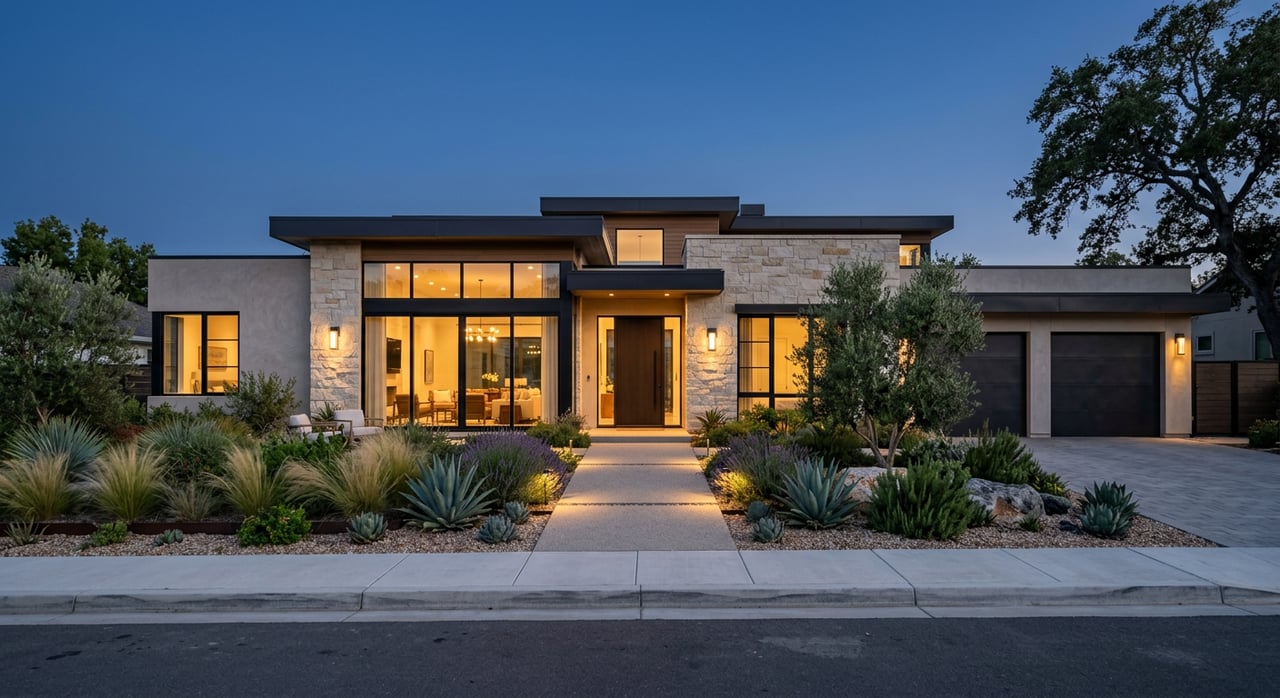
Trading Bay Area prices for more space, a yard, and a calmer pace sounds great until you hit the questions: What will you actually spend each month? Can you keep a Bay Area job and commute sometimes? Which Sacramento neighborhoods fit your lifestyle and budget? You deserve clear, local answers before you make a big move.
In this guide, you’ll learn what homes cost in Sacramento right now, realistic commute options, how neighborhoods differ, and how the California buying process works here. You’ll also get a simple plan to narrow your search and move with confidence. Let’s dive in.
Why Sacramento is on your short list
Sacramento gives you more home for the money compared to major Bay Area markets. Public data from national aggregators shows typical city home values in the mid-$400Ks as of early 2026, while places like San Jose sit well above $1M. That price gap is the main driver for many movers.
Cost of living is also lower. One widely used comparison shows Sacramento is roughly 30 percent less expensive than San Francisco overall, with housing costs leading the difference. Use this as directional guidance and verify numbers for your target neighborhood and home type. You can review a current comparison on a cost-of-living index for more context at Livingcost.
You will also find variety. Central neighborhoods offer vintage character and walkable pockets. Suburbs and growth areas offer newer construction and larger floor plans. The tradeoff is simple: Sacramento lets you buy space, and you decide how to balance that with commute time and urban energy.
What homes cost in Sacramento today
Most recent city snapshots place typical Sacramento home values in the mid-$400Ks, with vendor differences based on method and timeframe. Metro-level summaries during parts of 2025 landed in the mid-$500Ks, which shows why geography and dates matter when you compare numbers. Your best bet is to base decisions on current, neighborhood-specific comps.
Median rents in early 2026 hovered near $2,000 per month citywide. Actual rent or mortgage numbers will vary by location, property type, and condition. Condos and townhomes may carry HOA fees. Newer subdivisions may include special assessments that affect your monthly budget.
Property tax and assessments
California’s Proposition 13 caps the general property tax at 1 percent of assessed value, with the base year set at purchase and limited annual increases. Real bills commonly run higher than 1 percent once you add voter-approved bonds and special assessments. Newer communities can also include Mello-Roos or special district fees. Before you draft a budget, confirm parcel-level taxes and any extra levies with the county. See the county’s overview on Proposition 13 and assessments for details.
Bottom line: Sacramento often reduces your mortgage and housing costs compared to the Bay Area, but plan for taxes, insurance, HOA dues, and any special assessments to get a true monthly number.
Commute realities to the Bay Area
Driving basics
Sacramento to downtown San Francisco is about 87 miles by road, which can be 1.5 to 2 hours one way in light traffic and longer with incidents or bridge bottlenecks. If you plan to drive more than a couple of days per week, most people find that daily schedule hard to sustain. You can confirm distance using a simple route check at Travelmath.
Capitol Corridor rail
For hybrid or occasional office days, the Capitol Corridor intercity rail is the most practical option to reach East Bay and South Bay hubs without driving the whole way. The service expanded weekday schedules in 2025, which improved midday and peak options. Review current service updates and station connections at the Capitol Corridor site.
Typical train times to Oakland are about 1 hour 45 to 55 minutes depending on the train and stops. Trips to San Jose take longer and may require transfers. Always check the official schedule for precise departure and arrival times for your stations.
Future rail projects
Regional rail investments are underway. Valley Rail, ACE, and planned Valley Link projects are designed to expand stations and service between the San Joaquin Valley, the Bay Area, and Sacramento in coming years. These are multi-year, phased projects, so treat them as future upside rather than a current daily commute plan. You can read an overview on Valley Rail projects.
Local transit and last mile
Within Sacramento, light rail and bus service connect to the central Amtrak/Capitol Corridor station, and you can combine local transit or rideshare at both ends of your trip. Capitol Corridor’s materials include notes on station connections, so build those transfers into your door-to-door time. See current options on the Capitol Corridor site.
Neighborhoods and home types to consider
Central neighborhoods with character
Areas like Midtown, East Sacramento, Land Park, Curtis Park, Tahoe Park, and Oak Park offer older homes with Craftsman, Tudor, and mid-century styles. Many buyers value mature trees, established streets, and classic architecture. For a high-level overview of typical home styles in the region, review this mover’s guide to Sacramento’s housing stock from United Van Lines.
What to know: Older homes often come with unique features and systems. Inspections may focus more on roofs, foundations, sewer laterals, and electrical updates. Walkability and central access can offset smaller lots or older floor plans for many buyers.
Newer suburbs and growth areas
If you want more square footage and newer construction, look at North and West Natomas, Elk Grove, Folsom, and Rancho Cordova. Planned communities and tract homes here can deliver larger lots and modern layouts at a lower price per square foot than many central neighborhoods. For a neighborhood overview, explore this summary of Sacramento suburbs and growth areas.
What to know: Newer communities can include Mello-Roos or special district assessments. Intra-city drives may be longer, so test your daily routes.
The buying process is familiar
Statewide disclosures you already know
If you have bought in the Bay Area, the core paperwork will feel familiar. California uses standardized seller disclosures, including the Transfer Disclosure Statement, and follows federal mortgage disclosure rules. Buyers have defined rights if disclosures arrive late. For a refresher on the Transfer Disclosure Statement, see this plain-English overview of California disclosures.
Timelines and the TRID three-day rule
Typical financed purchases close in about 30 to 45 days from acceptance, depending on loan type, appraisal timing, inspections, and title work. Federal TRID rules require that your Closing Disclosure is received at least 3 business days before consummation. This is a hard timing requirement for lenders and escrow. You can review a helpful summary of the TRID timing rules.
Offer norms and negotiation
Sacramento can be competitive in desirable pockets, but the dynamic is not as extreme as peak Bay Area markets. Many relocating buyers keep inspection contingencies, offer reasonable earnest money, and use clean timelines to stay competitive. Strategy should match the current micro-market. Your agent will guide you on norms for the neighborhood and price point you are targeting.
A step-by-step relocation plan
Use this simple checklist to focus your search and reduce surprises:
Set your non-negotiables. Define max commute time, preferred house type, lot size, and proximity to daily needs like parks, schools, and groceries.
Shortlist neighborhoods. Pick 6 to 8 areas across central and suburban Sacramento. Ask your agent for sold comps from the last 60 to 90 days to understand pricing and time to close.
Test the commute. Drive your likely routes during real weekday departure times. If you plan hybrid office days, ride a Capitol Corridor train to sample door-to-door timing. Check current updates at the Capitol Corridor site.
Verify property taxes. Pull parcel-specific details with the county, including any bonds and special assessments. Start with the county’s page on Prop 13 and assessments.
Review disclosures and hazards. You will receive statutory disclosures during escrow. Ask early about any known items and plan inspections that match the home’s age and systems.
Confirm closing timelines. Coordinate lender milestones so TRID timing does not delay your close. See a summary of TRID requirements.
Plan your first six months. Budget for immediate updates, window coverings, landscaping, or small repairs so you can settle in smoothly.
Work with a local guide who knows both sides
Moving from the Bay Area to Sacramento is both a financial decision and a lifestyle change. You want an agent who understands pricing strategy, financing conversations, and the on-the-ground differences between central neighborhoods and the suburban arc from Natomas to Folsom and Elk Grove.
With experience across mortgage origination, renovations, and residential sales, Melissa brings practical, full-service support to buyers and sellers. From comps and offer strategy to vendor-managed inspections, repairs, and closing coordination, you get clear guidance and less stress at every step.
Ready to explore Sacramento with a trusted local? Connect with Melissa Lamberti for a personalized plan and on-the-ground insights tailored to your move.
FAQs
How much cheaper is Sacramento than San Francisco for overall living costs?
- Cost-of-living comparisons show Sacramento is roughly 30 percent less expensive than San Francisco overall, with housing as the biggest driver. Actual costs vary by neighborhood and home type.
What are current Sacramento home prices compared to San Jose?
- Recent snapshots place typical Sacramento city home values in the mid-$400Ks as of early 2026, while San Jose sits well above $1M. Always compare like-for-like geographies and dates.
Is commuting by train from Sacramento to Oakland realistic a few days a week?
- Yes for many roles. Capitol Corridor service connects Sacramento to East Bay hubs, with typical runs around 1 hour 45 to 55 minutes to Oakland depending on the train, plus transfers on each end.
How long does a financed home purchase take to close in Sacramento?
- Plan for about 30 to 45 days from accepted offer to close, with federal TRID rules requiring that you receive the Closing Disclosure at least 3 business days before consummation.
Which Sacramento areas have more newer homes and larger floor plans?
- Look to North and West Natomas, Elk Grove, Folsom, and Rancho Cordova for newer construction and planned communities that often deliver more square footage per dollar.
How do Sacramento property taxes work compared to the Bay Area?
- California’s Proposition 13 sets a 1 percent base tax rate on assessed value at purchase, with common add-ons like bonds and special assessments. Newer subdivisions may include Mello-Roos fees.
What should I expect in inspections for older central homes?
- Expect a closer look at roofs, foundations, sewer laterals, electrical, and similar systems common to older housing stock. Your agent can tailor inspections to the home’s age and condition.