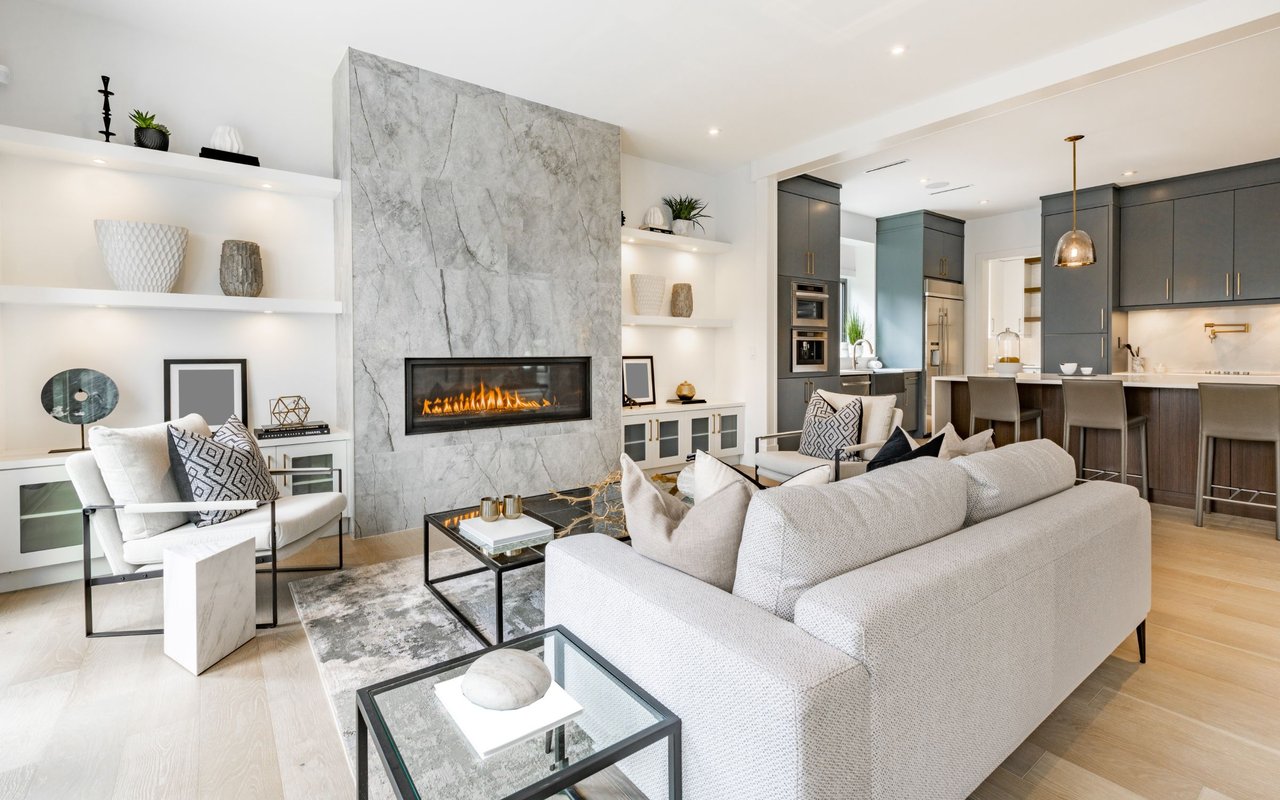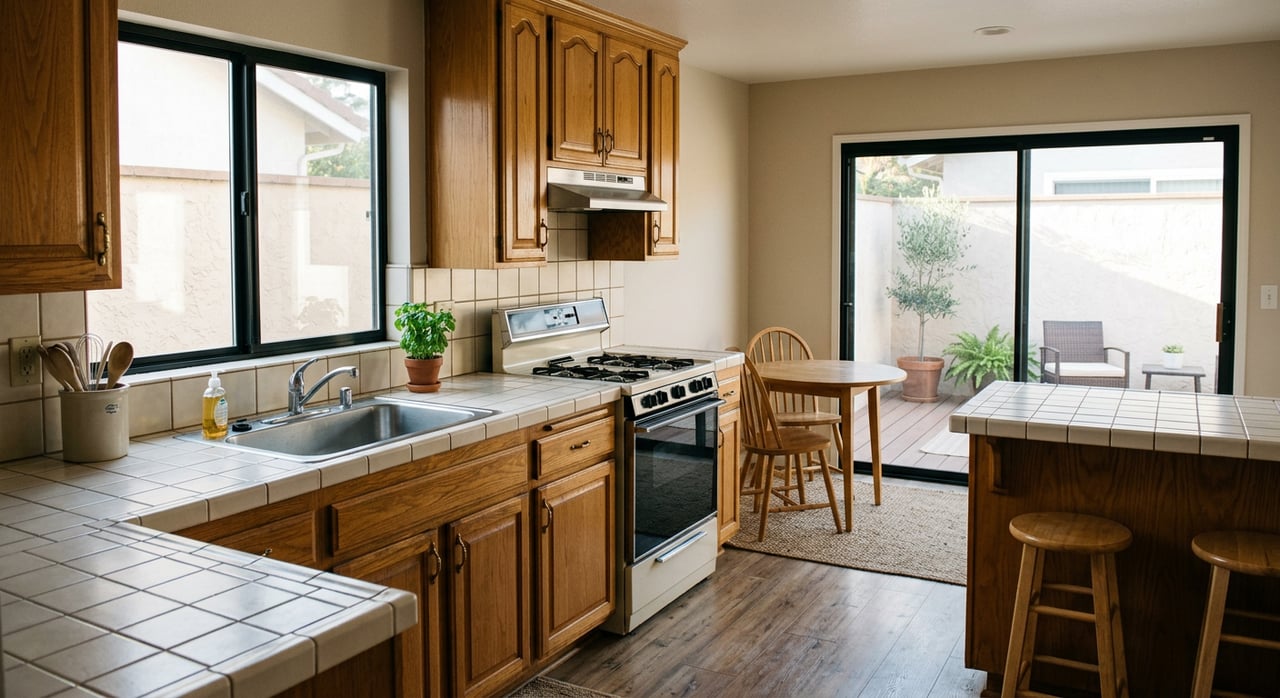
Is a fixer-upper your smartest path into the Sacramento market, or a money pit in disguise? With prices still elevated and inventory tighter than a true buyer’s market, the right renovation can unlock value. At the same time, permits, timelines, and financing rules can surprise you if you are not prepared. In this guide, you will learn how to size up a Sacramento fixer, budget with realistic numbers, plan for permits, and choose financing that fits your timeline. Let’s dive in.
Sacramento market snapshot and what it means
Recent Sacramento Association of REALTORS data shows a county median sold price around $539,000 in January 2026, with average days on market near 47 and about 2.4 months of inventory. These numbers point to a market with more breathing room than the past few years, but still not oversupplied. Well-finished homes continue to draw buyers, while older or slow-moving listings may allow negotiation. That sets up opportunity if you buy right, improve thoughtfully, and hit the price point buyers want after repairs. View the latest SAR report.
What this means for you:
- Use sold comps in the same micro-neighborhood to set your after-repair value (ARV). Active listings do not equal market value.
- Aim for renovations that match what sells nearby. Overbuilding for the street erodes returns.
- Plan for carry costs. Slightly longer marketing times reward patient, well-prepared buyers and investors.
What projects cost and how long here
Sacramento’s costs run higher than national averages, and older homes can hide surprises. A simple refresh might finish fast, while a full gut can stretch many months. Add a contingency to absorb unknowns.
Common scopes and timeframes:
- Light cosmetic refresh: paint, flooring, fixtures, minor surface updates. Typical build time 2 to 6 weeks. Budget often in the low five figures depending on size and finishes.
- Midrange remodel: a kitchen or bath rework, panel or HVAC upgrades, layout tweaks. Think 6 to 12 weeks of construction, with budgets that can range from roughly $30,000 up to $100,000 or more for a full midrange kitchen in California.
- Full rehab or addition: structural changes or whole-house work can run 4 to 12 months or more depending on permits and subs.
Two tips to right-size the plan:
- Review the Sacramento section of the annual Cost vs. Value report to prioritize projects with stronger resale payback, like certain minor kitchen and exterior updates. Check Pacific/Sacramento Cost vs. Value.
- Build a 10 to 20 percent contingency into your contractor’s estimate, especially for older homes with uncertain scopes. This mirrors guidance many architects and seasoned contractors use. See AIA contingency best practices.
Permits and inspections: what to expect in Sacramento
Permits add time, even for smaller rehab jobs. The City of Sacramento publishes target plan review cycle times so you can plan your schedule.
- Interior alterations generally receive a first plan review in about 12 working days, with additional time for resubmittals if needed. Use the city’s published cycle times as your baseline. Review current plan review timelines.
- The city conducts in-person inspections for major stages like framing, electrical, plumbing, and structural work. Some smaller permits may qualify for virtual inspections. Learn about inspections and scheduling.
- Confirm jurisdiction before you budget. Properties inside Sacramento city limits use city permits, while unincorporated areas go through the county and can have different plan review windows.
Pro tip: Aim for a complete first submittal to reduce resubmittal cycles. Ask your designer or contractor about timing for utility reviews and inspection scheduling so you do not stall the job.
How to estimate ARV and write a smart offer
Your offer should follow a defendable ARV, not wishful thinking. Here is a simple method many successful buyers use.
Pull 3 to 5 recent sold comps that match your target finish, ideally in the same sub-neighborhood and within the last 3 months. Extend to 6 months only if inventory is thin. Use this ARV how-to as a guide.
Adjust for differences. Compare beds, baths, square footage, lot size, garage, pools, and finish level. Calculate price per square foot or dollar adjustments for features.
Average your adjusted comps to get a baseline ARV, then apply a small buffer, such as 3 to 7 percent, to account for appraisal risk and market movement. Consider low, likely, and high ARV bands.
Many investors use the 70 percent rule to screen flips. The rule of thumb is: Maximum Allowable Offer = ARV times 70 percent minus repair costs. It is only a starting point, but it helps you avoid overpaying while you refine comps and bids. Learn more about the 70 percent rule.
Quick example
- Conservative ARV: $500,000
- Estimated repairs: $60,000
- 70 percent of ARV = $350,000
- MAO = $350,000 minus $60,000 = $290,000 before acquisition and closing costs
Use this as a filter, then build a full budget with permit time, carry costs, and a contingency.
Financing options that fit fixers
You have several ways to combine purchase and renovation funds. The right choice depends on whether you plan to live in the home or flip quickly.
- FHA 203(k): Combines purchase and rehab in one FHA-insured loan. Funds are held in escrow and released in draws after inspections. It can work well for owner-occupants who want a lower down payment and structured oversight. Be sure you understand program rules and the role of HUD-approved consultants. Read HUD’s 203(k) overview.
- Conventional renovation (such as HomeStyle): Allows you to roll renovation costs into a conventional mortgage with standard underwriting. Good for buyers who meet credit and income requirements and want predictable long-term financing.
- Hard money or private rehab loans: Short-term, asset-based financing commonly used for fast acquisitions and flips. Rates often fall in the mid to high single digits to the mid teens, with points and shorter terms. Model the true cost and timeline before committing. See a market overview of hard money pricing.
Match financing to your horizon. If you plan to live in the home and renovate over months, renovation mortgages can reduce carrying cost, though they add paperwork and appraisal timing. If you plan to flip fast, short-term financing can be a tool if the numbers still work after fees and interest.
Where fixer opportunities may exist
Opportunity varies block by block. Some historic and established neighborhoods around the urban core have older housing stock that benefits from thoughtful updates, while certain suburban pockets offer lower buy-in costs with solid resale demand for clean, move-in-ready homes. Always verify your ARV with recent sold comps on the same streets.
Neighborhood notes to discuss with your agent:
- Historic pockets near downtown often mix original homes with recent infill. Older homes can offer character and equity potential along with higher permit or systems work.
- North and northeast areas include many post-war homes on larger lots. These can work well for cosmetic improvements if comps support the finished product.
- Suburban areas around the city often provide entry points for first-time buyers and small investors who want manageable cosmetic scopes.
The key is evidence. Let recent sold data and realistic budgets, not headlines, drive your plan.
Due-diligence checklist for Sacramento fixers
Use this practical checklist before you commit:
- Confirm jurisdiction and permit history. City and county processes differ. Factor the city’s published plan review cycle into your schedule. Check cycle times here.
- Order specialized inspections early: general home inspection, roof, termite or wood-destroying organisms, HVAC, and a sewer camera scope if lines are older. These catch common surprise costs.
- Lead and asbestos checks: if the home was built before 1978, plan for lead-safe practices and consider targeted testing or abatement line items. Review EPA lead rules.
- Electrical and panel review: older wiring or undersized service can trigger required upgrades for insurance or code. Get a licensed electrician’s written estimate. See typical old-house wiring issues.
- Title, zoning, and code: look for code enforcement liens, special assessments, historic overlays, or unpermitted additions. Ask the seller for permit records.
- Written contractor bids: request line-item bids with a clear scope of work and payment schedule. Keep a 10 to 20 percent contingency to protect your budget. Why contingencies matter.
- Exit strategy and holding costs: model mortgage, taxes, insurance, utilities, interest, commissions, and closing costs under both likely and conservative timelines.
Red flags that can tank a deal
- Unpermitted structural additions with unknown foundations
- Widespread mold, rot, or termite damage affecting framing
- Major utility work needed in combination, such as full rewire, full HVAC replacement, and sewer lateral replacement, if ARV does not support the total cost
- Sold comps that do not support your projected finished price
Putting it together
Buying a fixer-upper in Sacramento can be a smart move if you buy with the numbers, not the emotion. Validate ARV with sold comps, get real bids, add contingency, and plan for permit and inspection timelines. Choose financing that matches your plan, and keep a close eye on carry costs.
If you want a partner who understands mortgage strategy, renovation scope, and neighborhood comps across the Placer–Sacramento corridor, you are in the right place. With hands-on investor and remodel experience, plus a vetted vendor network for inspections and contractors, Melissa Lamberti can help you evaluate options and move with confidence.
FAQs
What makes Sacramento a good place to buy a fixer-upper?
- Prices and inventory create room to negotiate on dated homes, and the region’s Cost vs. Value profile favors certain midrange projects that resell well when matched to local comps. See SAR data and regional Cost vs. Value.
How long do Sacramento permits and inspections usually take?
- Interior alterations often see first plan review in about 12 working days, with additional time for resubmittals and in-person inspections during construction. Check current cycle times and inspection info.
How do I calculate a defendable ARV before I make an offer?
- Use 3 to 5 recent sold comps in the immediate area, adjust for differences, average the adjusted prices, then add a conservative buffer for appraisal risk. ARV step-by-step guide.
What renovation loans work for owner-occupants buying a fixer?
- FHA 203(k) and conventional renovation loans can roll purchase and rehab into one mortgage, with inspections and draws to control quality and cost. Learn about FHA 203(k).
What are typical hard money loan costs for flips?
- Many short-term rehab lenders quote rates in the mid to high single digits to the mid teens, plus points and fees, with terms of 6 to 24 months. Always model total cost and exit timing. See a pricing overview.